Eco-Friendly Beer Mats: Materials, Inks & Recycling Explained
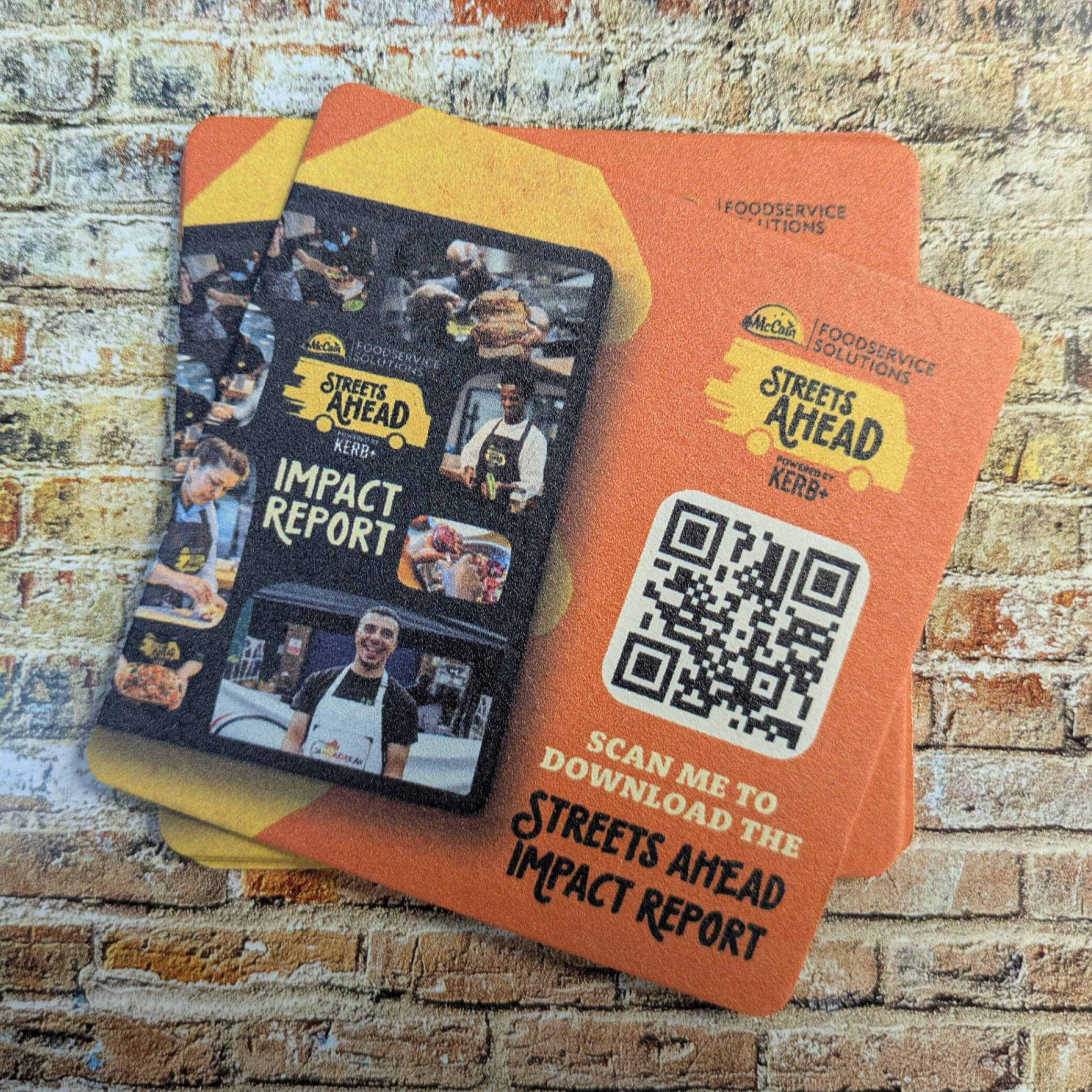
Beer mats have been part of pubs, breweries, and events for over a century, serving both practical and branding purposes. Traditionally made from absorbent cardboard, they not only protect surfaces but also act as effective marketing tools. However, with sustainability now a global priority, the focus has shifted to making beer mats eco-friendly. From materials and inks to recycling processes, every aspect of production is being rethought to reduce environmental impact.
This guide explores how eco-friendly beer mats are created, what makes them sustainable, and why they matter in today’s environmentally conscious world.
Why Eco-Friendly Beer Mats Matter
Beer mats may seem small, but their widespread use creates a significant footprint. Millions are printed and used annually across pubs, restaurants, and events. Eco-friendly solutions help:
- Reduce landfill waste
- Lower reliance on plastics and harmful chemicals
- Support recycling initiatives
- Improve brand image by showing environmental responsibility
For businesses, switching to sustainable options from reliable providers like Beer Mat Print can enhance customer perception while contributing to global sustainability goals.
Sustainable Materials for Beer Mats
The foundation of eco-friendly beer mats lies in the choice of materials. Traditional mats often use virgin pulp, but greener alternatives focus on renewable, recyclable, or biodegradable sources.
Recycled Pulp Board
Recycled pulp board is one of the most common eco-friendly materials for beer mats. It’s made by reprocessing post-consumer waste, reducing the need for new raw materials.
FSC-Certified Board
Beer mats made from FSC-certified board ensure that the paper originates from responsibly managed forests. This certification guarantees sustainable forestry practices.
Alternative Fibers
Some innovative beer mats use fibers from agricultural by-products, such as straw or sugarcane bagasse. These options lower reliance on wood-based pulp and support waste reduction.
By incorporating responsibly sourced materials, manufacturers support both sustainability and performance.
The Role of Eco-Friendly Inks
Inks play a crucial role in beer mat sustainability. Traditional petroleum-based inks release volatile organic compounds (VOCs), which harm air quality. Eco-friendly alternatives include:
Soy-Based Inks
Derived from renewable soybeans, these inks are biodegradable, provide vibrant colors, and reduce VOC emissions.
Water-Based Inks
Water-based inks are free of harsh solvents, making them safer for the environment while still delivering high-quality prints.
Vegetable-Based Inks
Beyond soy, other vegetable oils such as linseed or corn oil are used to create inks that are both biodegradable and sustainable.
Many sustainable print providers detail their production methods transparently. A deeper look at processes and values can be found in the about section of specialized companies.
Recycling and Disposal of Beer Mats
One of the key elements of eco-friendly beer mats is what happens after use. Proper disposal and recycling ensure that mats don’t end up in landfill unnecessarily.
Recyclable Mats
Most eco-friendly mats are fully recyclable through paper recycling streams. Customers can dispose of them in regular paper bins, allowing fibers to be reused.
Compostable Options
Some mats made from biodegradable materials can be composted, breaking down naturally without releasing harmful chemicals.
Encouraging Recycling Behavior
Clear instructions and awareness campaigns in pubs and restaurants can encourage customers to dispose of mats responsibly.
For individuals and businesses unsure about proper recycling, practical tips are outlined in this how-to guide.
Customization with Sustainability in Mind
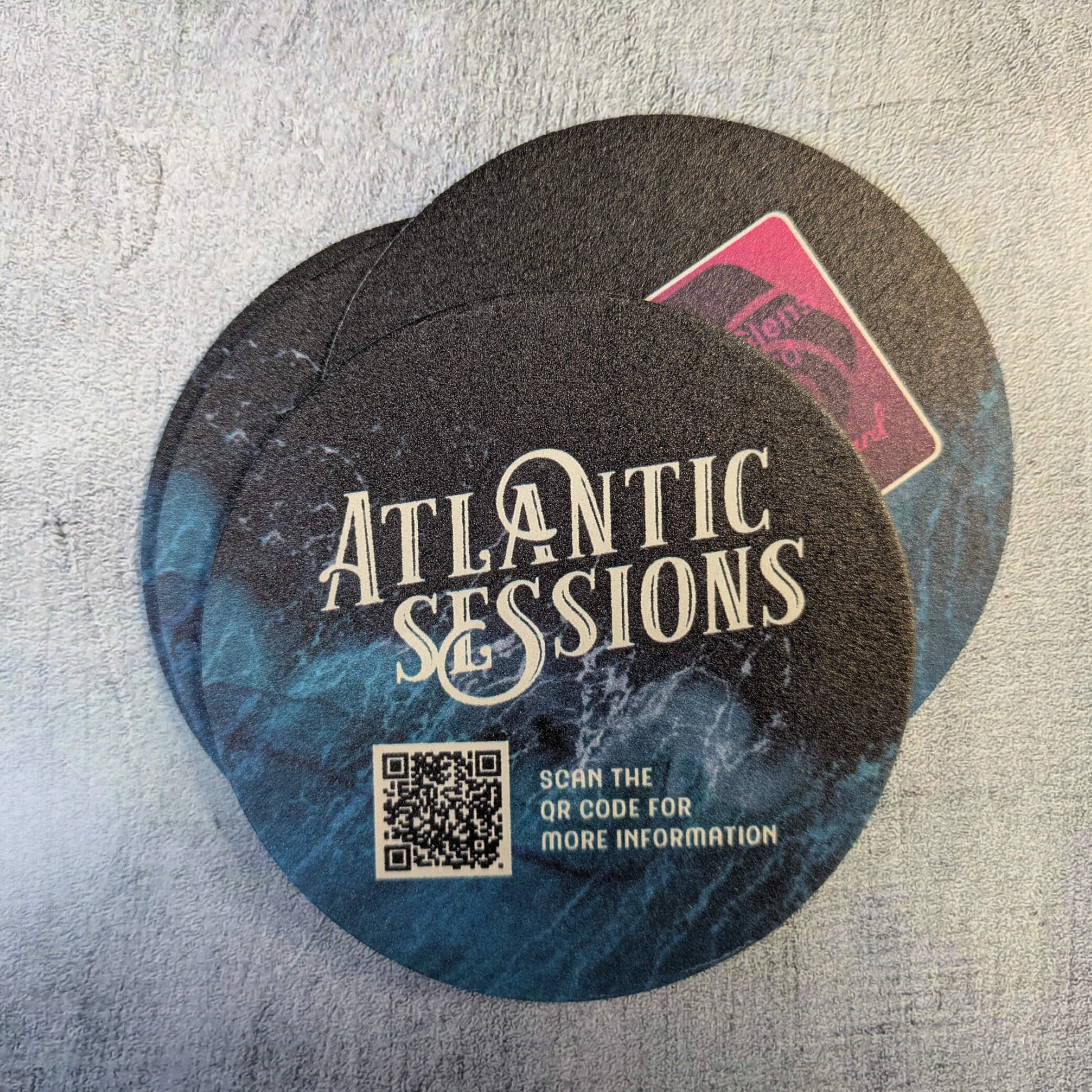
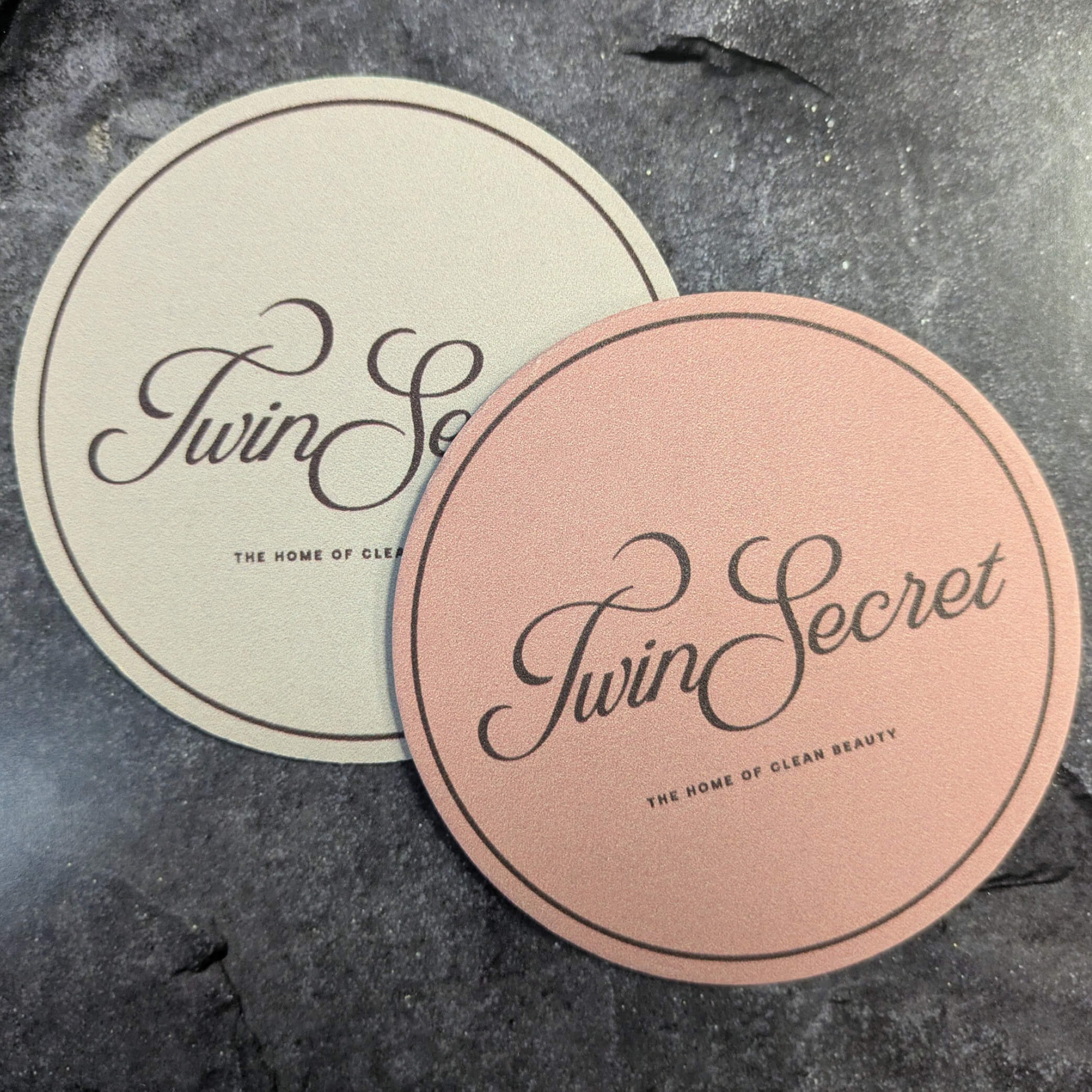
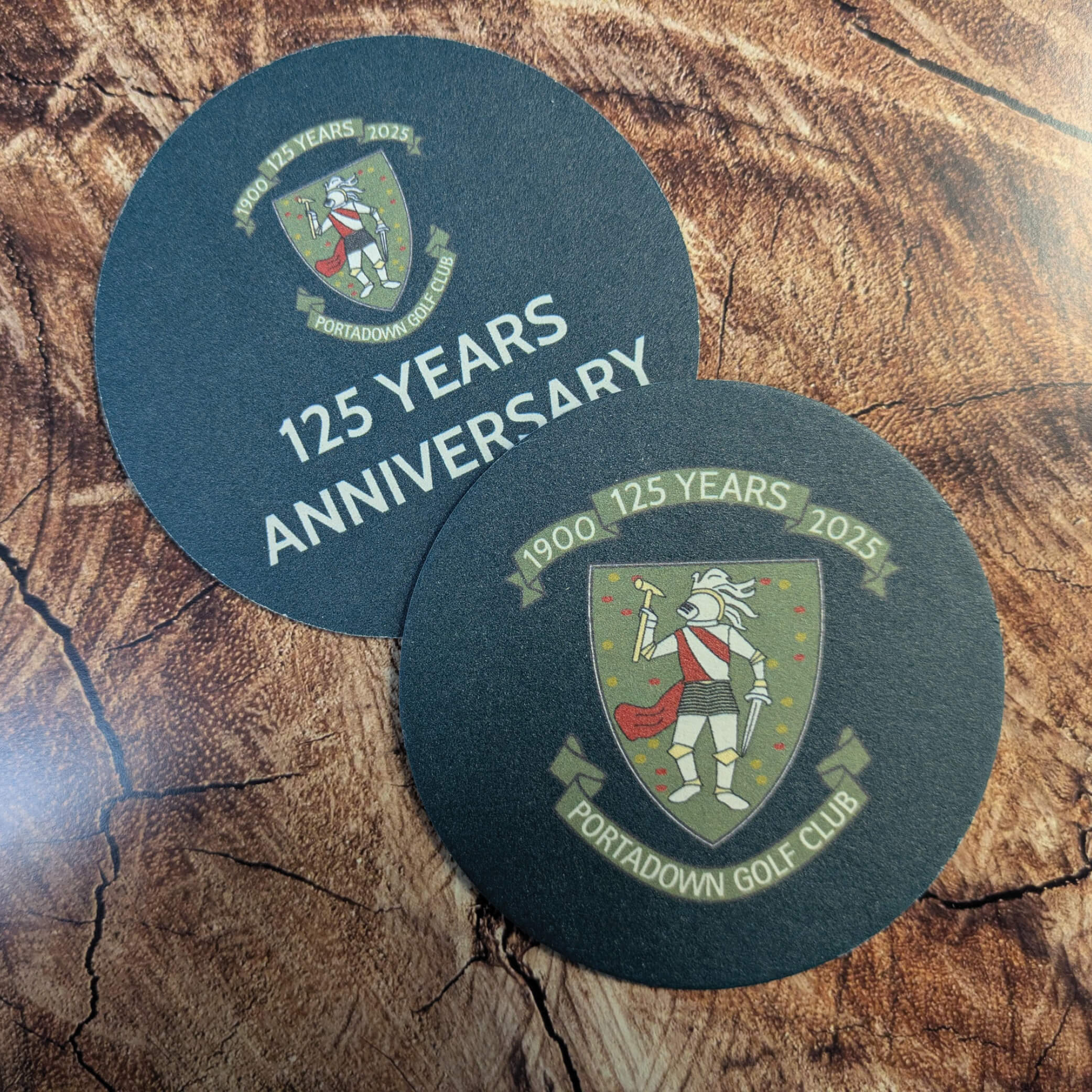
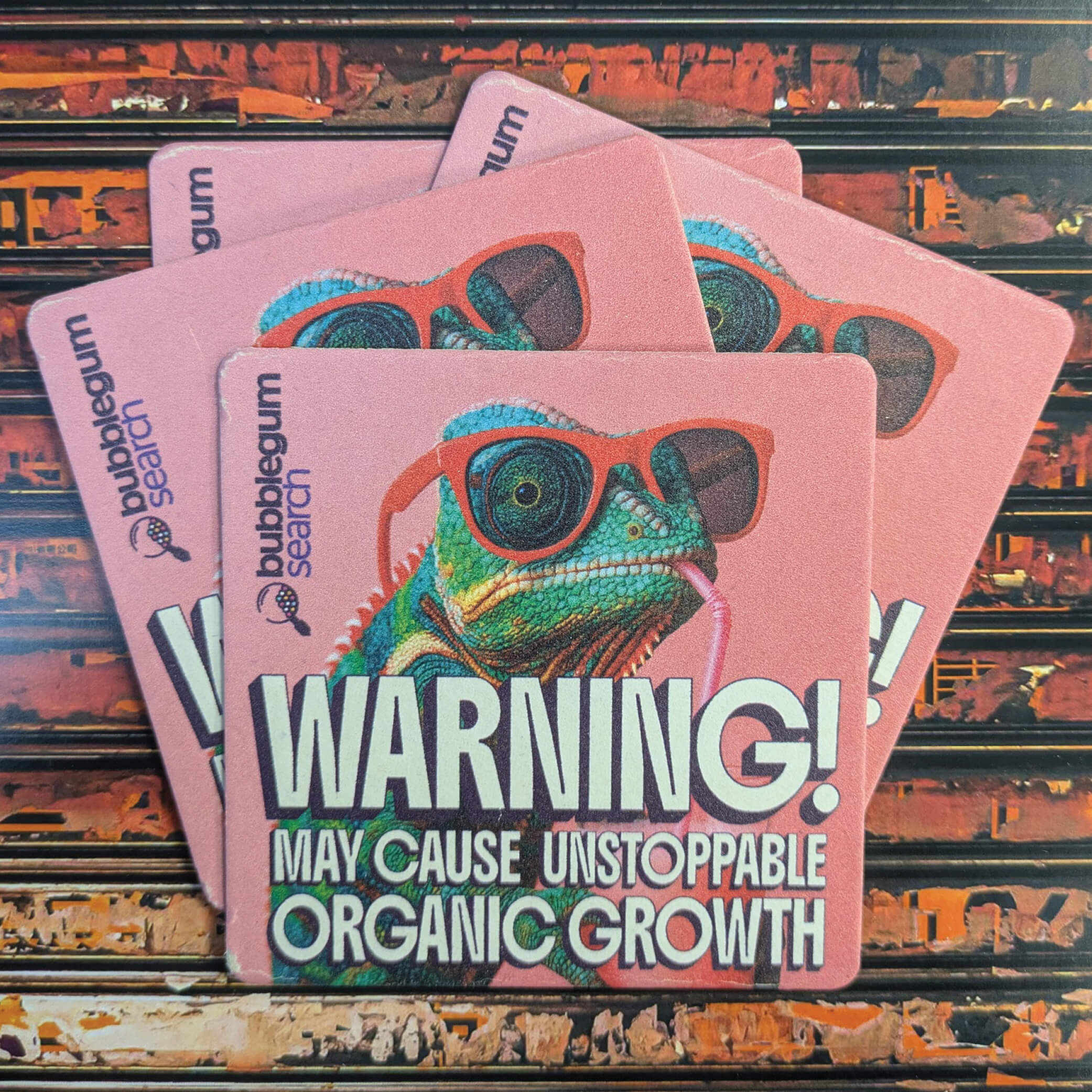
Beer mats are not only practical but also powerful branding tools. Businesses often print logos, messages, or artwork on them. Eco-friendly options don’t mean compromising on quality:
- High-resolution printing with biodegradable inks
- Full-color designs without harmful chemicals
- Durable mats that withstand multiple uses
Options for businesses to personalize mats sustainably are detailed in this custom beer mat product page.
Balancing Durability and Sustainability
A common misconception is that eco-friendly beer mats are less durable. In reality, sustainable materials are engineered to handle condensation, spills, and repeated use just as effectively as traditional mats. With advancements in pulp processing and ink technology, businesses can achieve both environmental responsibility and long-lasting quality.
Benefits for Businesses and Consumers
Switching to eco-friendly beer mats offers several advantages beyond sustainability:
- Brand reputation: Demonstrates commitment to eco-friendly practices.
- Customer engagement: Many customers appreciate visible efforts toward sustainability.
- Cost efficiency: Recycling and reusing resources often reduce long-term costs.
- Compliance: Meets growing legal and industry standards around environmental responsibility.
These benefits make eco-friendly beer mats a smart choice for modern businesses.
The Future of Eco-Friendly Beer Mats
As demand for sustainable products grows, innovation in materials and printing methods will continue. Future trends may include:
- Greater use of agricultural by-products as raw materials
- Expansion of compostable mats for zero-waste goals
- More waterless printing methods to conserve resources
- Widespread adoption of closed-loop recycling in pubs and breweries
The shift toward eco-friendly mats is not just a passing trend but a lasting transformation in hospitality and event industries.
Working With Eco-Friendly Suppliers
Choosing the right supplier is as important as selecting the right materials. Reliable suppliers ensure transparency in sourcing, certifications, and processes. They also provide guidance on disposal and recycling.
For inquiries about products, customization, or sustainability efforts, businesses can reach out via the contact page of eco-focused suppliers.
Conclusion
Eco-friendly beer mats are proof that even small changes in hospitality can contribute to larger environmental goals. By using recycled or FSC-certified materials, vegetable-based inks, and promoting recycling, businesses can make a meaningful difference. The right choices help reduce waste, lower emissions, and engage customers who value sustainability.
From materials to inks and end-of-life solutions, eco-friendly beer mats combine practicality with responsibility. As more breweries, pubs, and event organizers embrace these innovations, the future of beer mats is undoubtedly greener.
FAQs
- Are eco-friendly beer mats more expensive?
Not necessarily. While some sustainable materials may cost slightly more, long-term benefits such as recycling and brand value often offset the difference.
- Can eco-friendly beer mats be fully recycled?
Yes, most are 100% recyclable through standard paper recycling systems.
- Do eco-friendly inks affect print quality?
No, soy- and water-based inks deliver vibrant, durable prints comparable to traditional inks.
- How long do eco-friendly beer mats last?
With proper use, they are just as durable as conventional mats, often lasting through multiple drinks.
- Where can I order custom eco-friendly beer mats?
Businesses can explore sustainable customization options through specialized providers like Beer Mat Print.